By 2025, X.509 authentication will evolve with automation and advanced security protocols to enhance digital communication security. Key trends include the adoption of blockchain technology for decentralized certificate management, artificial intelligence for anomaly detection, and biometrics for restricted access. Challenges such as efficient certificate revocation and vulnerabilities within the trust chain will remain critical concerns. Organizations must adapt to these changes and emerging technologies to maintain robust security standards, leading to innovative solutions in X.509 authentication. More insights await.
Key Takeaways
- Embrace automation for efficient certificate issuance and management, minimizing human error and streamlining workflows in 2025. Utilize advanced encryption techniques, such as Elliptic Curve Cryptography (ECC), to enhance security in X.509 authentication processes. Implement robust revocation systems, including OCSP and regularly updated CRLs, to maintain trust and mitigate risks of compromised certificates. Integrate emerging technologies like blockchain for decentralized certificate management and AI for anomaly detection in authentication patterns. Prepare for quantum computing threats by adopting quantum-resistant algorithms and developing hybrid cryptography models to future-proof X.509 authentication.
Understanding X.509 Certificates: A Comprehensive Overview
X.509 certificates serve as a foundational element in digital security, providing a standardized format for public key infrastructure (PKI). These certificates authenticate the identity of entities, such as individuals, organizations, or devices, through a trusted third party known as a Certificate Authority (CA).
Each X.509 certificate contains essential information, including the subject’s public key, the CA's digital signature, and expiration dates. This structure guarantees data integrity and establishes trust within digital transactions.
Additionally, X.509 certificates support various encryption protocols, enhancing secure communications. Their widespread adoption in various applications, from secure web browsing to email encryption, highlights their crucial role in safeguarding sensitive information in an increasingly digital world.
Understanding their framework is important for effective digital security management.
The Role of X.509 in Secure Communications
X.509 certificates play an essential role in establishing secure communications by providing a structured framework for identity verification.
The integrity of these certificates relies heavily on the trust chain, which guarantees that each entity within the network can confirm the authenticity of the certificate holder.
Understanding these elements is vital for maintaining robust security protocols in 2025 and beyond.
Certificate Structure Explained
At the heart of secure communications lies the intricate structure of digital certificates, which serve as the foundation for trust in online interactions.
The X.509 certificate format comprises several key components, including the version, serial number, signature algorithm, issuer information, subject information, validity period, public key, and the certificate's digital signature.
Each element plays a critical role; for instance, the issuer details confirm the certificate authority, while the subject information identifies the entity being certified.
The validity period guarantees that certificates are used within a specified timeframe, enhancing security.
The digital signature authenticates the certificate, assuring users of its integrity.
This structured approach enables seamless and secure exchanges in an increasingly digital world.
Trust Chain Importance
Often regarded as a cornerstone of digital security, the trust chain established by X.509 certificates is crucial for secure communications. This framework facilitates the authentication of entities in a network, ensuring that data exchanges remain confidential and tamper-free.
The trust chain operates through a hierarchy of certificates, where each level reinforces the legitimacy of the next.
Key aspects of the trust chain include:
- Certificate Authority (CA) Role: CAs validate identities and issue certificates.
- Chain of Trust: Each certificate is linked, creating a verifiable path to a trusted root.
- Revocation Mechanisms: Revoked certificates are identified, preventing unauthorized access.
- Interoperability: X.509 certificates are widely recognized, ensuring compatibility across diverse systems.
These components collectively enhance the overall security posture of digital communications.
Key Components of X.509 Authentication
While the specifics of X.509 authentication may evolve, its foundational components remain critical for secure communication.
At the core of X.509 authentication are digital certificates, which bind public keys to identities, guaranteeing that users can verify the authenticity of entities they interact with.
These certificates are issued by trusted Certificate Authorities (CAs), establishing a trust chain essential for secure exchanges.
Another key component is the public key infrastructure (PKI), which facilitates the management, distribution, and revocation of digital certificates.
Additionally, cryptographic algorithms underpin the security of the certificates, providing encryption and integrity checks.
Together, these components work to guarantee that data remains confidential and tamper-proof, forming the bedrock of secure digital transactions in an interconnected world.
Current Trends in X.509 Certificate Management
Current trends in X.509 certificate management highlight the increasing reliance on automation for certificate issuance, which enhances efficiency and reduces human error.
Additionally, the adoption of enhanced security protocols is becoming essential to safeguard sensitive data and maintain trust in digital communications.
Streamlined revocation processes are also gaining attention, ensuring that compromised certificates are quickly and effectively addressed.
Automation in Certificate Issuance
Automation is revolutionizing the certificate issuance process within X.509 certificate management. This technological advancement streamlines workflows, reduces human error, and accelerates the time required for obtaining certificates.
Organizations increasingly adopt automated solutions to enhance efficiency and scalability in their security frameworks.
Key benefits of automation include:
- Faster Issuance: Certificates can be generated and deployed in real-time, minimizing delays.
- Cost Efficiency: Reduced operational costs through lower personnel requirements and streamlined processes.
- Consistency: Automated systems guarantee uniformity in certificate issuance, which enhances trustworthiness.
- Integration: Seamless compatibility with existing IT infrastructures, facilitating smoother operations across diverse platforms.
Enhanced Security Protocols
The evolution of X.509 certificate management is increasingly influenced by enhanced security protocols that address the growing complexity of cyber threats. Organizations are adopting advanced encryption techniques, such as Elliptic Curve Cryptography (ECC), to bolster the security of certificate issuance and management processes.
Additionally, the implementation of multi-factor authentication (MFA) guarantees that access to certificate management systems is tightly controlled. Protocols like Certificate Transparency (CT) are gaining traction, promoting accountability and visibility in the issuance of certificates.
These measures help mitigate risks associated with certificate misissuance and unauthorized access. As cyber threats continue to evolve, the integration of such robust security protocols is essential for maintaining the integrity and trustworthiness of X.509 certificates in digital communications.
Streamlined Revocation Processes
Streamlined revocation processes are becoming a critical focus in the management of X.509 certificates, reflecting the need for agility in responding to security threats.
As organizations increasingly rely on digital certificates, it is vital to implement efficient mechanisms for revocation to maintain trust and security. Current trends emphasize:
- Automated revocation systems that quickly identify compromised certificates.
- Real-time Certificate Revocation Lists (CRLs) to guarantee timely updates to certificate status.
- Online Certificate Status Protocol (OCSP) as an alternative to traditional methods, offering faster verification.
- Integration of blockchain technology for immutable and transparent revocation records.
These advancements aim to enhance the overall security posture while minimizing downtime and disruption in certificate management processes.
Best Practices for Implementing X.509 Authentication
Implementing X.509 authentication effectively requires careful consideration of several best practices to guarantee robust security. Organizations should begin by ensuring the use of strong cryptographic algorithms for certificate generation, such as RSA or ECC, to enhance resilience against attacks.
Regularly updating and renewing certificates is essential to maintain trust and security. Implementing a streamlined Certificate Revocation List (CRL) or Online Certificate Status Protocol (OCSP) can facilitate timely revocation of compromised certificates.
Regular updates and renewals of certificates are crucial for sustaining trust and ensuring security through effective revocation methods.
Additionally, proper key management practices, including secure storage and access control, are vital to prevent unauthorized certificate access.
Finally, organizations should educate employees about the importance of X.509 certificates and the potential risks associated with mismanagement, fostering a culture of security awareness throughout the organization.
Challenges and Risks in X.509 Authentication
Numerous challenges and risks accompany the use of X.509 authentication, posing significant concerns for organizations. These challenges can undermine the integrity and security of digital communications.
Key issues include:
- Certificate Management: The complexity of managing numerous certificates can lead to misconfigurations and lapses in security.
- Revocation Difficulties: Efficiently revoking compromised certificates remains a challenge, risking unauthorized access.
- Trust Chain Vulnerabilities: Dependencies on certificate authorities can introduce risks if any part of the chain is compromised.
- Scalability Issues: As organizations grow, scaling X.509 systems to accommodate increased demand can result in performance bottlenecks.
Addressing these challenges is vital for maintaining robust security standards in an increasingly digital landscape.
Emerging Technologies Influencing X.509 Authentication
The challenges associated with X.509 authentication have prompted the exploration of emerging technologies that can enhance its effectiveness and security.
Blockchain technology presents a decentralized alternative for managing digital certificates, potentially reducing reliance on traditional certificate authorities.
Blockchain technology offers a decentralized solution for digital certificate management, diminishing dependence on conventional certificate authorities.
Additionally, artificial intelligence (AI) can analyze authentication patterns, identifying anomalies that may indicate fraud or breaches.
The integration of biometrics offers another layer of security, ensuring that only authorized individuals can access sensitive data.
Moreover, machine learning algorithms can optimize the certificate lifecycle management, automating renewal and revocation processes.
These innovations are shaping a more resilient framework for X.509 authentication, addressing existing vulnerabilities while adapting to the evolving landscape of cybersecurity threats and demands for greater trust in digital communications.
The Future of X.509 in a Post-Quantum World
Shifting into a post-quantum world necessitates a reevaluation of X.509 authentication protocols, as quantum computing threatens the foundational cryptographic algorithms currently in use.
The advent of quantum computers poses risks to public-key cryptography, which underpins X.509 certificates. To guarantee security and integrity, the following considerations must be addressed:
- Adoption of quantum-resistant algorithms to replace vulnerable current systems.

- Development of hybrid models that integrate traditional and post-quantum cryptography.
- Implementation of robust key management practices to safeguard against quantum attacks.
- Continuous monitoring and updating of standards to adapt to rapidly evolving technologies.
The future of X.509 lies in its ability to evolve, guaranteeing resilience against the impending challenges posed by quantum advancements.
Case Studies: Successful X.509 Implementations in Various Industries
As organizations prepare for a post-quantum landscape, many are already successfully implementing X.509 authentication across various sectors.
In the financial industry, a leading bank adopted X.509 certificates to secure online transactions and enhance customer trust, resulting in a significant decrease in fraud incidents.
Meanwhile, a healthcare organization utilizes X.509 to safeguard patient data and guarantee compliance with regulations, thereby improving data integrity and security.
The manufacturing sector also benefits, with companies using X.509 for secure machine-to-machine communication in IoT devices, enhancing operational efficiency.
Finally, a government agency employs X.509 for secure access to sensitive information, reinforcing its commitment to cybersecurity.
These case studies illustrate the adaptability and effectiveness of X.509 authentication in diverse environments.
FAQ
What Are the Costs Associated With Obtaining X.509 Certificates?
The costs associated with obtaining X.509 certificates typically include fees for the certificate authority (CA), which can vary based on the level of validation required.
Additional expenses may arise from the need for hardware security modules, software integration, and ongoing management.
Organizations must also consider potential costs related to training personnel in certificate handling and security practices.
How Do I Troubleshoot X.509 Certificate Validation Errors?
To troubleshoot X.509 certificate validation errors, one must first check the certificate's validity period and guarantee it has not expired.
Next, verifying the certificate chain for proper trust and confirming that the root certificate is installed correctly is vital.
Additionally, inspecting the certificate's revocation status using CRL or OCSP can help identify issues.
Finally, examining system date and time settings is essential, as discrepancies can lead to validation failures.
Can X.509 Certificates Be Used for Non-Web Applications?
Like keys opening various doors, X.509 certificates serve an essential role beyond web applications. They can be utilized in diverse environments such as email encryption, secure file transfers, and VPN connections.
These digital certificates guarantee that communications remain confidential and authenticated, much like a trusted messenger delivering crucial information. Their versatility allows them to underpin security in numerous non-web contexts, proving their significance in today’s interconnected digital landscape.
What Is the Lifespan of an X.509 Certificate?
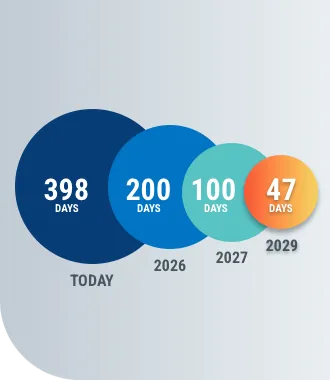
The lifespan of an X.509 certificate typically ranges from one to three years, although some organizations may opt for longer durations.
The expiration period is influenced by security requirements and industry standards. After expiration, the certificate becomes invalid, necessitating renewal to maintain secure communications.
Regular updates and adherence to best practices are essential to guarantee continued trust in the certificate's validity and to uphold security protocols across various applications and systems.
How Can I Automate X.509 Certificate Renewal Processes?
Automating the X.509 certificate renewal process can greatly enhance security and efficiency.
Organizations can implement tools like Certbot or use orchestration platforms such as Kubernetes with external DNS management.
Scheduled scripts can be created to monitor expiry dates and trigger renewals automatically.
Additionally, integrating certificate management solutions, like HashiCorp Vault or Let's Encrypt, can streamline the process further, ensuring that systems remain compliant and reducing the risk of downtime due to expired certificates.
Conclusion
In summary, mastering X.509 authentication in 2025 requires a deep understanding of its foundational elements and an awareness of the evolving landscape of secure communications. As organizations https://newsmules.com/top-rated-pki-management/ navigate the complexities of digital identity verification, the integration of emerging technologies will be paramount. Just as knights of old relied on their banners for recognition on the battlefield, modern enterprises must embrace robust X.509 frameworks to safeguard their digital domains against emerging threats in an increasingly connected world.